Case studies

Plant Inspector + CRM: example of delivery proof.

Two delivery types: a SaaS product (Plant Inspector) and an internal tool (CRM). Both designed for real processes and reporting—with roles and change history.

Plant Inspector

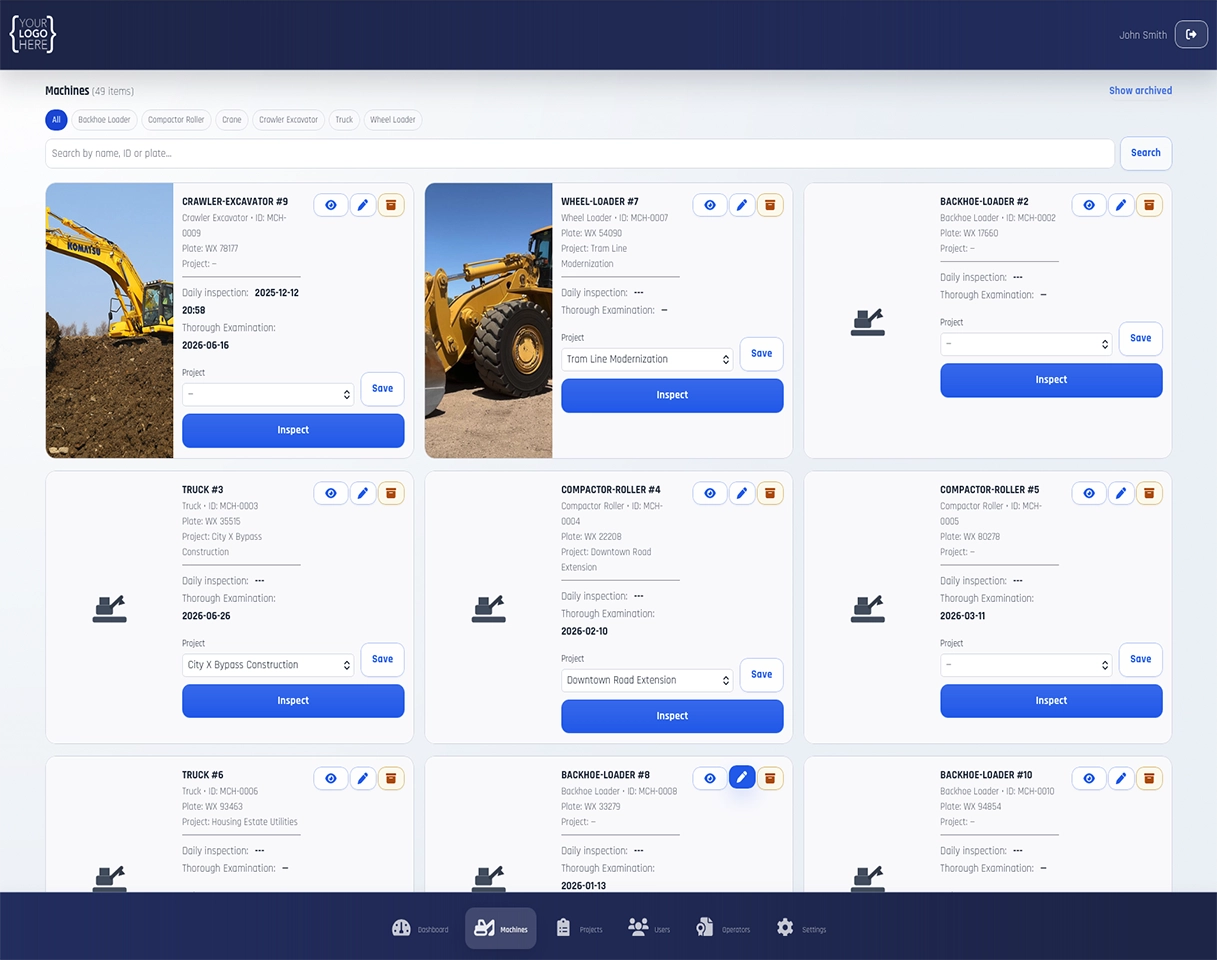
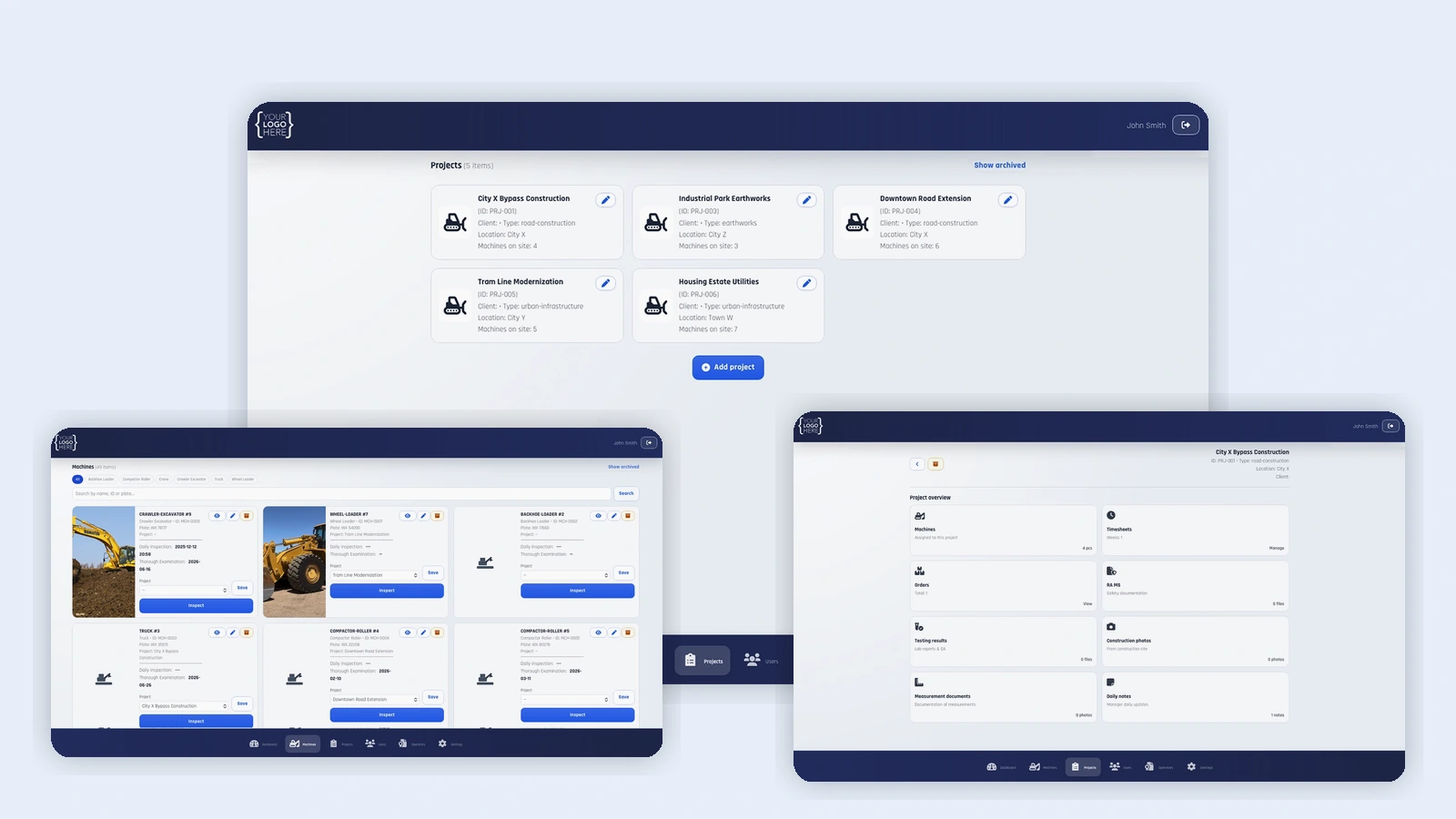
Field operations system: inspections, documentation, photos and reporting in one place.

  • Role-based workflow and change history
  • Evidence: photos/files + clean documentation
  • Reports and shareable links for audits/inspections
  • Employee list with permissions and certifications
  • Reminders for inspections and expiring permissions
  • Projects, machines, and orders

CRM (internal tool)

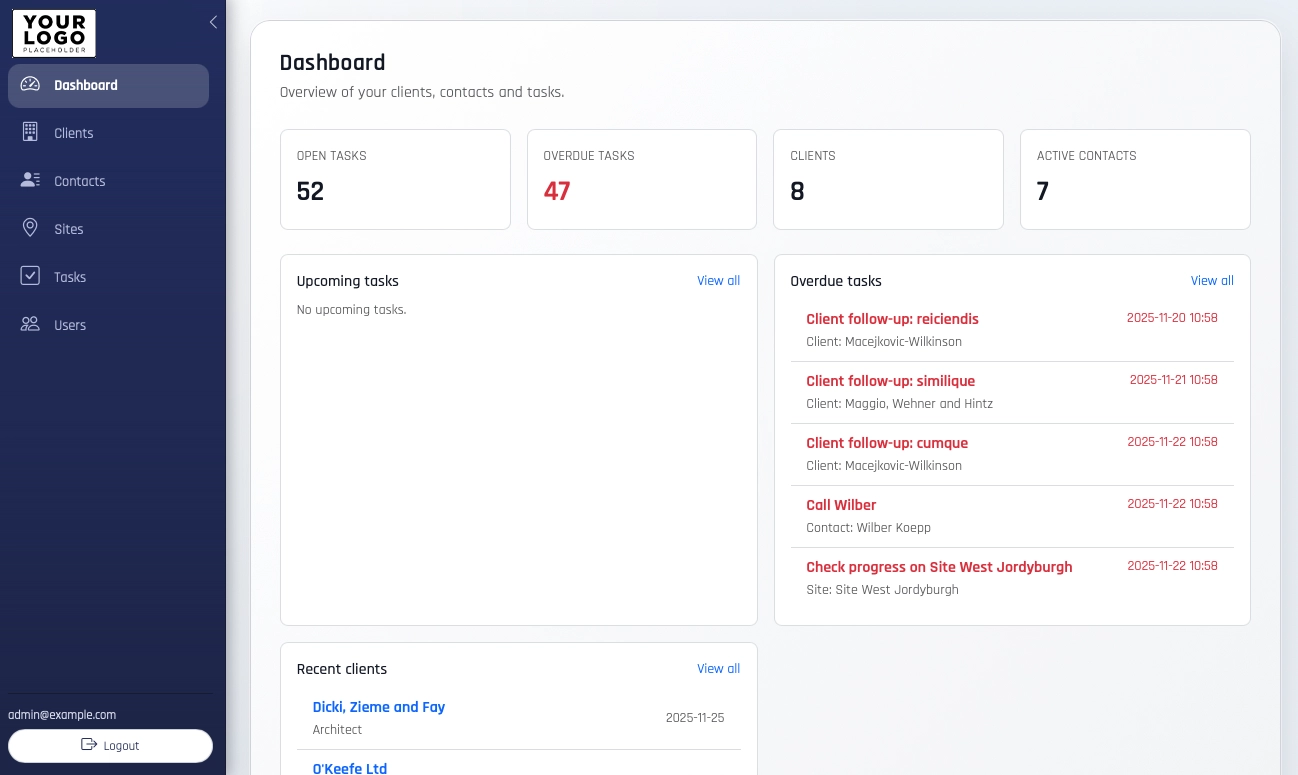
Clients • companies • tasks • journals—team tool for activity history and process control.

  • Client–company relationships as a single source of truth
  • Tasks with ownership, deadlines and statuses
  • Journals timeline as a history of actions and decisions
  • List of contacts, with descriptions of activities

FAQ

How long does an MVP take and what do I get?
Typically 2-6 weeks. You get a working workflow, roles/permissions, and 2–3 key reports—ready to run operations, not a prototype.
Do you integrate with spreadsheets/ERP/CRM?
Yes, but we stage it. We start with value (workflow + reporting), then add integrations once ROI and the process are stable.
What happens during Discovery?
We map the process, roles, data and risks; build a quick UI prototype; and produce an MVP plan with success metrics.
What if we don’t have clear requirements?
That’s common. Two or three report examples and a few screenshots of today’s process are enough to scope the MVP.
How do contracting, invoicing and vendor due diligence work (foundation vs vendor)?
We operate as a foundation, but we contract like a standard vendor: scope, timelines, outcome ownership, IP/licensing and maintenance. If needed, we can provide a procurement/due-diligence pack.